
The roar of a high-performance engine, the screech of tires against hot asphalt, and the adrenaline-fueled rush of overtaking a rival at two hundred miles per hour—these are the sensations that have defined the racing game genre for decades. Since the early days of pixelated sprites moving across a static background, racing games have been at the forefront of technological innovation in the gaming industry. In 2026, this genre has reached a pinnacle of realism and immersion that was once the stuff of science fiction.
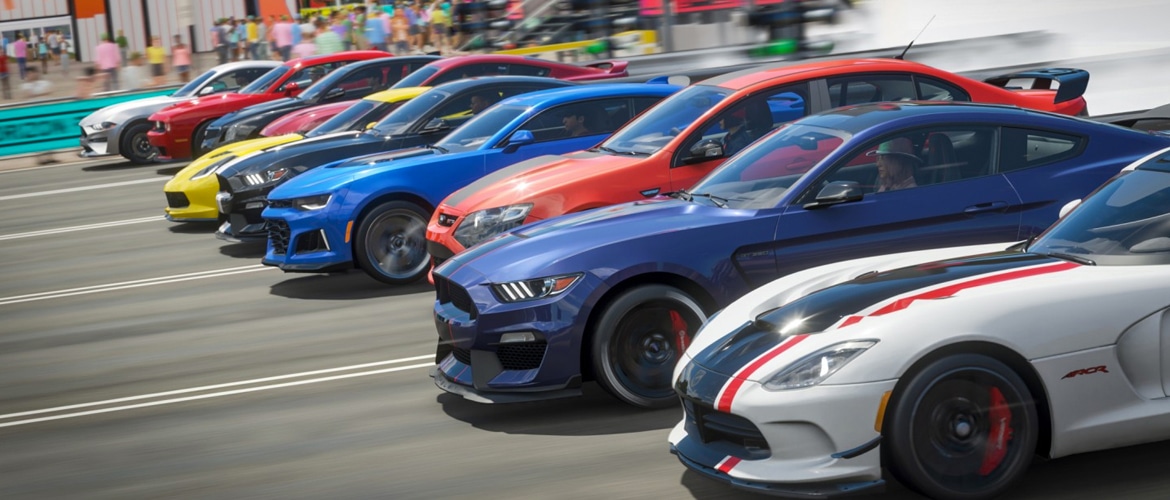
Video racing games occupy a unique space in the entertainment world. They appeal to the casual player looking for a quick thrill, the competitive esports athlete seeking millisecond perfection, and the automotive enthusiast who treats the digital garage as a sanctuary. This article explores the current state of racing games, the technological breakthroughs driving the genre forward, and why the “need for speed” continues to captivate millions globally.
1. The Spectrum of Speed: Arcade vs. Simulation
One of the most fascinating aspects of racing games is how the genre splits into two distinct philosophies: Arcade and Simulation (Sim-Racing). Understanding these differences is key to appreciating the depth of the market.
Arcade Racers: Pure Exhilaration
Arcade-style racing games prioritize fun, accessibility, and spectacular visuals over the laws of physics. Titles in this category often feature exaggerated drifting, nitro boosts, and environmental destruction. The goal is to make the player feel like a superhero behind the wheel. In 2026, we are seeing a resurgence of “Combat-Racing,” where the thrill of the chase is combined with strategic power-ups, reminiscent of the classics but powered by modern graphics engines.
Sim-Racing: The Pursuit of Realism
At the other end of the spectrum lies Simulation. For these developers, accuracy is everything. Sim-racing titles utilize advanced telemetry, tire-deformation physics, and laser-scanned tracks to replicate the experience of professional driving. In recent years, the line between sim-racing and actual motorsport has blurred. Professional Formula 1 and GT drivers now use these games to practice, as the feedback from high-end steering wheel peripherals (Direct Drive systems) can mimic the exact resistance and vibration of a real race car.
2. Technological Breakthroughs in 2026
The year 2026 has introduced several key technologies that have fundamentally changed how we experience racing on our screens.
Real-Time Ray Tracing and Global Illumination
Lighting is everything in a racing game. The way sunlight reflects off a metallic chassis or how rain droplets distort the view of the taillights ahead is now rendered in real-time. Modern engines allow for dynamic weather systems that don’t just look different but change the physical properties of the track. If a storm hits mid-race, puddles form in low-lying areas of the asphalt, causing hydroplaning and forcing players to change their driving strategy on the fly.
Haptic Feedback and VR Integration
The “feel” of the road has been revolutionized. Advanced haptic feedback in controllers and specialized racing seats allows players to feel the difference between driving on smooth concrete, rough gravel, or vibrating rumble strips. Furthermore, Virtual Reality (VR) has finally matured. High-resolution headsets allow players to sit inside a 3D cockpit, check their physical mirrors, and look toward the apex of a turn, providing a level of spatial awareness that traditional screens cannot match.
3. The Social and Competitive Landscape: Esports and Beyond
Racing games have naturally transitioned into the world of professional gaming. Because the rules of racing are globally understood, it is one of the most spectator-friendly forms of esports.
The Rise of Virtual Le Mans and Global Leagues
In 2026, virtual racing leagues have gained massive television and streaming audiences. Major automotive manufacturers like Porsche, Ferrari, and BMW now sponsor their own digital racing teams. These competitions often feature 24-hour endurance races where teams of drivers rotate shifts, just as they would at the real Circuit de la Sarthe. This has created a new career path for gamers, where the top digital pilots are celebrated as legitimate athletes.
Community and Customization
Beyond the professional scene, the social aspect of racing is found in customization. “Car Culture” in gaming allows players to modify everything from engine components to complex vinyl liveries. Digital car meets have become common social hubs where players show off their designs and trade tuning setups. It is a digital extension of the “tuner” culture found in the real world, fostering a global community of creators.
4. Why Racing Games Endure
What is it about the simple act of driving in circles that remains so addictive? The answer lies in the “flow state.” Racing requires a level of intense, singular focus where the outside world disappears. To hit the perfect line through a corner requires a synchronization of sight, touch, and timing. When you nail a perfect lap, the sense of accomplishment is immediate and visceral.
Furthermore, racing games provide a safe outlet for a universal human desire: the urge to go fast. Most of us will never have the opportunity to drive a multi-million dollar hypercar at its limit, but video games democratize that experience. They allow us to explore the world’s most famous tracks and scenic highways from the comfort of our living rooms.
Conclusion
The world of video racing games in 2026 is a testament to the power of human imagination and engineering. From the casual fun of arcade brawlers to the grueling precision of professional simulators, the genre offers something for everyone. As technology continues to evolve, the gap between the virtual and the physical will only continue to shrink, promising an even more immersive future for the digital driver.
Whether you are a seasoned veteran with a full cockpit setup or a casual player with a handheld controller, the core appeal remains the same. The light turns green, the engine roars, and for a few minutes, nothing else in the world matters except the road ahead and the finish line waiting in the distance.