
The video game industry has officially entered a transformative era. If the early 2020s were characterized by console shortages, cross-generation transitions, and the initial promises of cloud gaming, 2026 represents the realization of next-generation interactive entertainment. The barriers that once separated hardware, players, and developers have largely dissolved.
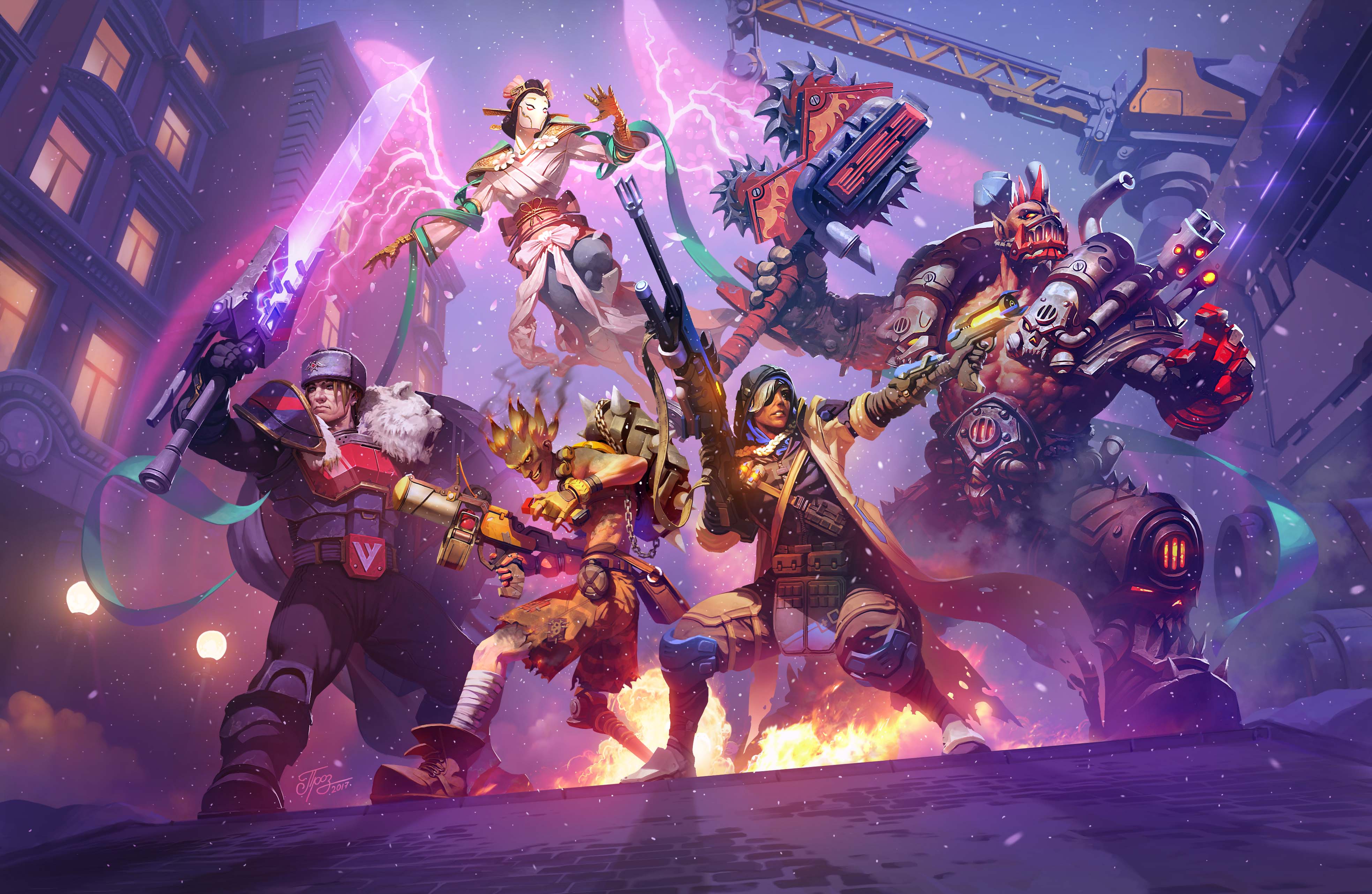
Today, gaming is no longer defined by the plastic box sitting under your television. Instead, it is defined by unprecedented player agency, a seamless blend of platforms, and the subtle integration of advanced technology into the creative pipeline. Looking closely at the landscape, several major shifts highlight how video games are redefining our digital experiences.
1. The Rise of Living Non-Playable Characters (NPCs)
For decades, interacting with non-playable characters meant clicking through predetermined dialogue trees or watching scripted cutscenes. In 2026, generative artificial intelligence has fundamentally altered how players communicate with the digital world.
Modern video games are increasingly implementing dynamic NPCs equipped with unique behavioral models, persistent memories, and the ability to process unscripted vocal or textual conversations. Instead of asking a virtual shopkeeper a predefined question, you can have a natural, contextual conversation. Characters remember your past choices, react to your moral reputation organically, and adjust their attitude based on how you treat them. This shift has turned video game worlds into truly living ecosystems where no two playthroughs are identical.
2. Universal Play and Hardware Independence
The long-standing division between console, PC, and mobile gamers is rapidly becoming a relic of the past. The industry has fully committed to universal play, making cross-platform compatibility and shared cloud progression the absolute baseline for major game launches.
Thanks to the maturity of cloud-streaming infrastructure and global high-speed connectivity, players can start an expansive, graphically intensive open-world game on their home console, continue the exact same save file via a handheld device or mobile screen during a commute, and finish a session on a high-end desktop PC. This hardware independence has shifted the focus away from machine specifications and placed it entirely on accessibility and community engagement.
3. High-Profile Sequels and New IP Deliver on Long-Awaited Promises
From a software perspective, the gaming calendar is delivering a massive wave of monumental releases. Highly anticipated titles that spent years in meticulous development cycles are finally landing in the hands of eager players.
The release calendar features an incredible mix of long-awaited sequels, such as the breathtaking open-world driving experiences of Forza Horizon 6, alongside bold new artistic visions like Death Stranding 2: On The Beach and the return of beloved franchises like Fable. These titles showcase what is possible when developers are no longer held back by the hardware limitations of the past, leveraging advanced physics engines and near-instant loading times to build worlds of staggering density and scale.
4. The Transformation of Live-Service Ecosystems
The traditional concept of the “live-service game,” which relied heavily on predictable, repetitive seasonal battle passes, has undergone a major overhaul. Players grew fatigued by rigid checklists that felt more like digital chores than actual entertainment.
The modern live-service ecosystem focuses heavily on community-driven worlds and persistent, evolving environments. Major in-game events now permanently alter map topographies and narrative trajectories based on collective community decisions. Furthermore, major publishers are building highly accessible, built-in user-generated content (UGC) toolkits directly into their platforms. This empowers the player base to craft their own game modes, custom levels, and community spaces, turning multiplayer games into collaborative hubs of infinite creativity.
5. Cozy Games and Social Simulators Take Center Stage
While high-octane action and competitive shooters continue to maintain a massive player base, the casual and “cozy” gaming sectors have experienced unprecedented growth. Market data shows an absolute explosion in narrative-driven farming simulators, city builders, and puzzle games that prioritize relaxation and community building over high-stakes combat.
These titles serve as virtual sanctuaries, offering millions of players a peaceful space to unwind, connect with friends, and participate in low-stress, highly rewarding digital routines. The success of this movement proves that the modern gaming community values emotional resonance and mental well-being just as much as technological spectacle.
Conclusion
Video games are no longer a mere subcategory of media entertainment; they have become the premier medium for technological innovation and creative expression. The gaming landscape stands as a testament to human ingenuity, bridging the gap between cutting-edge computational power and deep emotional storytelling. By embracing hardware accessibility, dynamic artificial intelligence, and community-focused world design, the industry has unlocked a level of immersion that was once the stuff of science fiction. The digital horizon has never looked brighter, and for players around the globe, the adventure is truly just beginning.