
For over a century, society has debated what qualifies as legitimate art. When cinema first emerged in the late 19th century, critics dismissed it as a cheap carnival distraction. Later, comic books, rock and roll music, and street graffiti faced similar resistance before eventually being welcomed into the halls of fine art. Today, the cultural battleground has shifted to a different medium: video games.
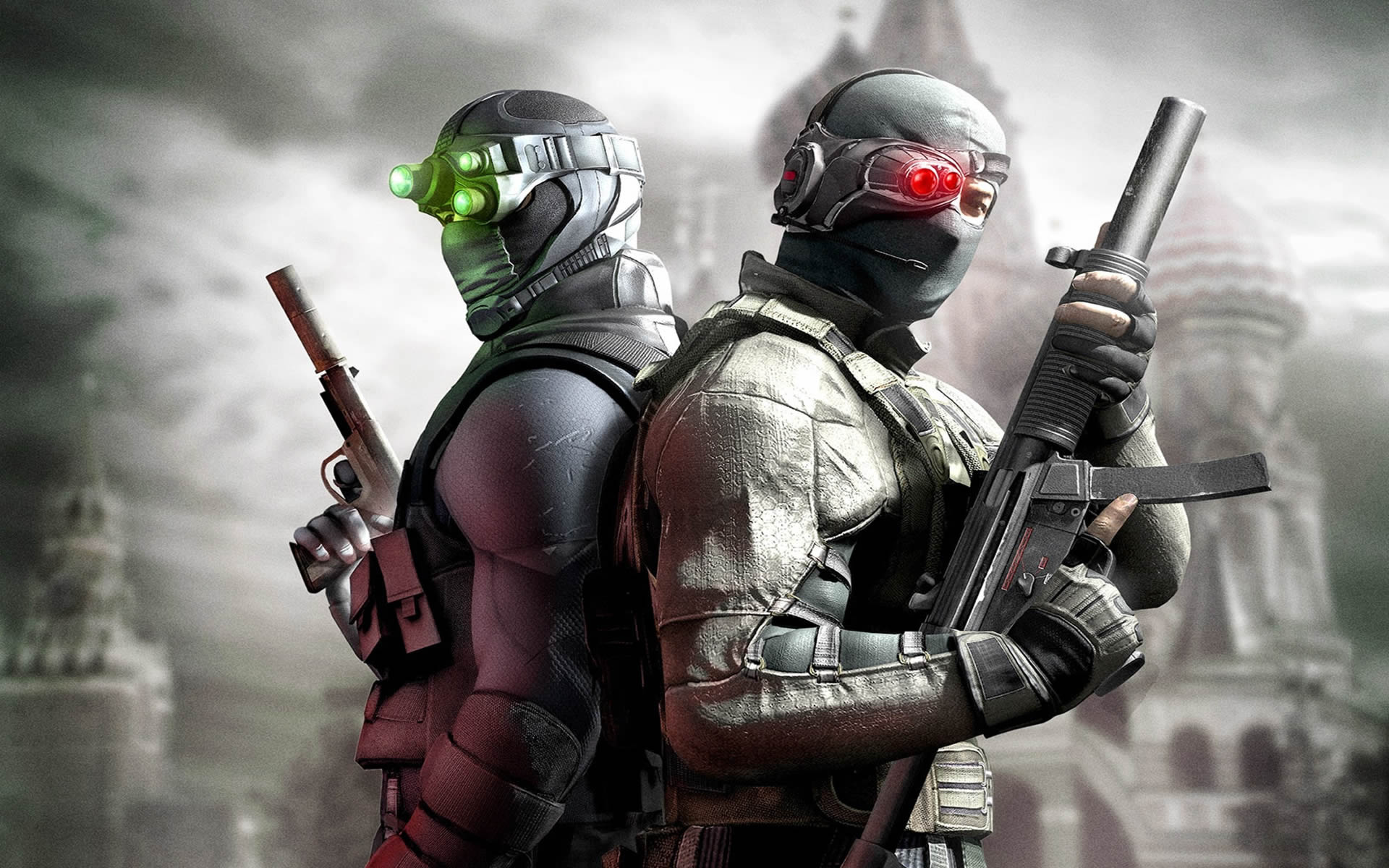
As gaming has evolved from the simplistic, pixelated bleeps of Pong into sprawling, emotionally devastating, and visually stunning digital worlds, the question has transitioned from a casual debate into a serious philosophical discussion. Are video games art? When we analyze the core components of the medium, the answer becomes undeniably clear.
1. The Convergence of Traditional Art Forms
To understand why video games qualify as art, one must first look at what a modern game is made of. A video game is not a single creative discipline; rather, it is a magnificent convergence of almost every traditional art form that came before it.
Visual Arts and Architecture
Game developers include highly skilled painters, sculptors, and digital animators who spend years crafting landscapes, character models, and lighting designs. From the romanticized, sun-drenched hills of historical settings to the grim, architectural brutalism of dystopian sci-fi cities, the visual aesthetic of modern games rivals the work found in prestigious art galleries.
Music and Sound Design
The orchestral scores of modern video games are performed by world-class symphonies and written by Grammy-winning composers. These soundtracks are not merely background noise; they are carefully engineered to manipulate the emotional state of the player, swelling during moments of triumph and fading into haunting silence during tragedy.
Literature and Screenwriting
The narrative depth of contemporary games often matches or exceeds that of high literature. Writers craft complex scripts featuring multi-layered characters, philosophical subtexts, existential themes, and poetic dialogue that challenge the player’s moral boundaries.
2. Interactivity: The Unique Artistic Dimension
While games incorporate elements of film, literature, and music, they possess one unique characteristic that separates them from all other mediums: interactivity. In traditional art, the audience is a passive observer. You watch a painting, you read a book, you listen to a song. You have no control over the outcome.
Video games break this barrier by inviting the audience to become a co-creator of the experience. The artist provides the canvas, the rules, and the brush, but the player paints the picture. This interactivity creates an entirely new emotional phenomenon known as agency.
When a character dies in a movie, you feel sad for them. But when a character suffers a tragic fate in a video game because of a choice you made, you feel a profound sense of personal grief, guilt, and responsibility. This level of emotional investment is unique to gaming and represents a massive evolution in how human beings experience storytelling.
3. Evoking the “Sublime” and Emotional Resonance
Art is frequently defined by its ability to evoke an emotional response, to provoke thought, or to make the audience feel the “sublime”—a feeling of awe that transcends regular human experience. Video games achieve this regularly.
Games have tackled incredibly sensitive, complex, and deeply human subjects, including the exhausting reality of mental illness, the crushing weight of grief and terminal illness, and the cyclical nature of violence and revenge. By forcing players to literally walk in the shoes of someone else, games foster a deep, visceral empathy that can alter how players view the real world around them. If a medium can change a person’s worldview through emotional resonance, it fulfills the highest purpose of art.
4. The Institutional Recognition of Gaming
The debate is also being settled on an institutional level. Prestigious museums around the world, including the Museum of Modern Art (MoMA) in New York and the Smithsonian American Art Museum, have established permanent collections dedicated to video games. They recognize games not just for their technical achievement, but for their visual design, innovative storytelling, and cultural significance.
Furthermore, national arts endowments now offer grants specifically for independent game developers, treating them with the same cultural respect afforded to independent filmmakers, authors, and theater directors.
Conclusion
To restrict the definition of art to static canvases or passive screens is to misunderstand the evolution of human creativity. Video games are not merely toys or competitive sports; they are the definitive art form of the digital age. They combine sight, sound, narrative, and agency into a living, breathing experience that transforms the audience from a spectator into an active participant. By challenging our intellect, evoking deep emotional responses, and pushing the boundaries of technology, video games have rightfully earned their place in the grand continuum of human artistic expression.